


Probiotics Powder
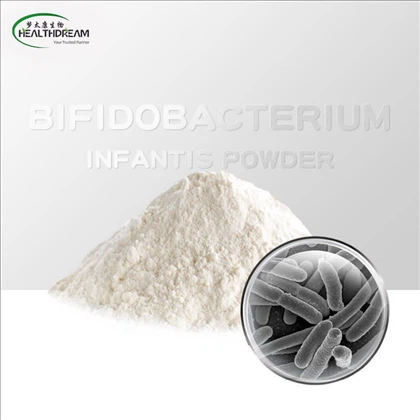
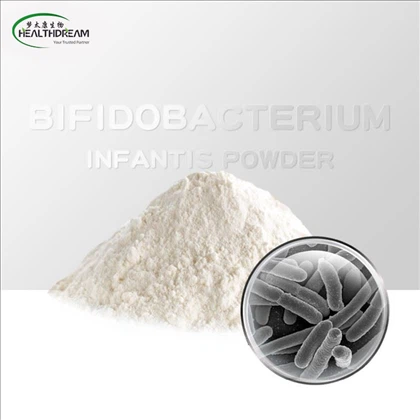
Bifidobacterium Infantis
Bifidobacterium infantis is a dominant bacterium in the intestines of healthy infants and predominates the gut microbiota of breastfed infants. It has excellent gastric acid tolerance and intestinal colonization ability, and can effectively break down oli
Description


Who is Bifidobacterium infantis suitable for?
Bifidobacterium infantis is mainly intended for infants and young children aged 0–3 years, especially newborns, formula-fed infants, infants with colic, and children at risk of allergies.It helps establish a healthy gut microbiota,
supports digestive system development, relieves colic, and reduces the risk of eczema and respiratory infections.Its flagship strains (such as M-63) are listed in China’s List of Strains Available for Infant Food, with fully guaranteed safety.

| Product Name: | Bifidobacterium infantis Powder |
| Strain name: | Bifidobacterium infantis |
| Strain identification: | Characteristic by API 50CH&16S rDNA |
| Type: | Freeze dried powder |
| Packing: | 1kg/bag, 5kg/bag in cold-chain package |
| Storage: | Package sealed at 4℃ or refrigeration - 18℃ |
| Shelf life: | 24 months from date of production |
| Certfication: | NSF, HACCP, ISO9001, Kosher, HALAL |
| Documents support: | Genetic identification report |
| IDA deposit certificate | |
| Certificate of analysis | |
| Stability study report | |
| Anti-bile salt & Anti gastro-acid study report | |
| Antibiotic sensitivity test certificate | |
| Safety study report | |
| Microbial Enumeration method |

| Descrption: | Fine powder, no caking, no abnormal odor, no visible foreign bod |
| Color: | White to light yellow |
| Mositure: | NMT 5.0% |
| Water activity: | < 0.12% |
| Viable cell count: | NLT 200 billion cfu/gram |
| Non LAB count: | < 5000 cfu/g |
| Yeast &mould: | NMT 50 cfu/g |
| Coliform: | < 10 cfu/g |
| Pathogenic bacteria: | Negative |
| Lead(Pb): | NMT 0.5 mg/kg |
| Arsenic(As): | NMT 0.5 mg/kg |
| Cadmium(Cd): | NMT 1.0 mg/kg |
| Mercury(Hg): | NMT 0.1 mg/kg |

1. Regulates Intestinal Microbiota Balance
Bifidobacterium infantis is a dominant strain in the gut of healthy breastfed infants. It can efficiently utilize human milk oligosaccharides (HMOs), preferentially colonize the infant intestine, and become the predominant flora. By competitively occupying adhesion sites of pathogenic bacteria and producing short-chain fatty acids such as lactic acid and acetic acid through metabolism, it lowers intestinal pH, creates an acidic environment unfavorable to harmful bacteria, and helps establish a healthy intestinal microecosystem.
2. Relieves Colic and Reduces Crying
Numerous clinical studies have confirmed that supplementation with Bifidobacterium infantis can significantly reduce daily crying duration and frequency in infants with colic. Its mechanism of action involves regulating intestinal immunity, activating the tryptophan metabolic pathway, and promoting the expression of anti-inflammatory factors, thereby alleviating intestinal inflammation and discomfort. It serves as an effective intervention for infant colic management.
3. Enhances Intestinal Barrier Function
Bifidobacterium infantis strengthens the integrity of the intestinal barrier and reduces intestinal permeability by promoting the expression of tight junction proteins in intestinal epithelial cells, effectively preventing “leaky gut”. This function helps block pathogens and toxins from entering the bloodstream, reduces the risk of systemic inflammation, and supports the maturation and development of the infant intestinal mucosa.
4. Supports Immune System Development
As an important regulator of the intestinal immune system, Bifidobacterium infantis can activate gut-associated lymphoid tissue, promote the secretion of secretory immunoglobulin A (sIgA), and enhance mucosal immune defense. Clinical studies show that supplementation with Bifidobacterium infantis can significantly reduce the risk of diarrhea, respiratory infections, and atopic dermatitis in infants and young children.
5. Reduces Allergy Risk
Bifidobacterium infantis shows unique value in allergy prevention by regulating Th1/Th2 immune balance and reducing excessive activation of Th2-mediated immune responses. Clinical studies confirm that early supplementation can lower the incidence of allergic diseases such as eczema and atopic dermatitis, making it especially suitable for high-risk infants with a family history of allergies.
6. Promotes Nutrient Absorption and Digestion
Bifidobacterium infantis participates in the synthesis of B vitamins and vitamin K, and promotes the absorption of minerals such as calcium, magnesium, and iron by producing short-chain fatty acids. It also produces β-galactosidase to help break down lactose, relieve lactose intolerance, and support digestive system development and nutrient utilization efficiency in infants and young children.

1.Well-Identified Flagship Strains
*Bifidobacterium infantis* includes several flagship strains targeting infant health, such as M-63, YLGB-1496, CCFM1269, etc. These strains have clear deposit numbers and well-defined genetic backgrounds, and complete strain identification reports and traceability information are available.
2.Priority Intestinal Colonization Ability
It can efficiently utilize human milk oligosaccharides (HMOs) to preferentially colonize the infant gut and become the dominant flora. This unique colonization advantage enables rapid establishment of a healthy intestinal microecosystem.
3.Strict Anaerobism and Processing Challenges
As a strict anaerobe, it is sensitive to oxygen. Modern industrial production combines freeze-drying technology, microencapsulation, and protective agent formulation, which significantly improve processing stability and shelf-life survival rate. It is suitable for infant formula and probiotic drops.
4.Utilization Characteristics of Human Milk Oligosaccharides
It possesses a unique HMO metabolic gene cluster, allowing efficient utilization of various oligosaccharides in breast milk as carbon sources, giving it a distinct competitive advantage in the gut of breastfed infants.

Q1: What are the most well-known strains of Bifidobacterium infantis?
A: The flagship strains include M-63 (intestinal health, colic relief), YLGB-1496 (immune support, infection reduction), CCFM1269 (colic relief), etc. Different strains have different functional focuses. We can provide detailed clinical data for your selection reference.
Q2: Is Bifidobacterium infantis beneficial to infants’ immunity?
A: Yes. Clinical studies show that Bifidobacterium infantis can promote the secretion of secretory immunoglobulin A (sIgA), activate the intestinal immune network, and significantly reduce the risk of diarrhea, respiratory infections and atopic dermatitis in infants, making it an ideal choice for infant immune support.
Q3: What dosage forms is Bifidobacterium infantis suitable for?
A: It is suitable for infant formula (dry blending process), probiotic drops, powders, capsules and other dosage forms. Temperature (≤40°C) and ambient humidity must be strictly controlled during processing. Dry blending or low-temperature processing is recommended.
